
Waking Up with Anxiety: Causes, Symptoms, and Coping Strategies

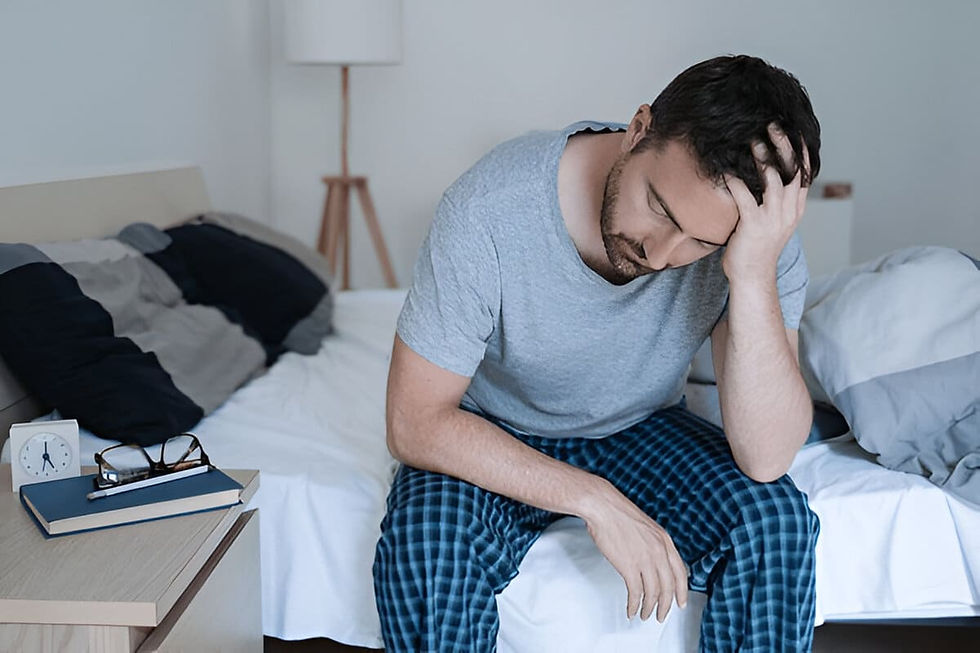
Waking up with anxiety can feel scary and tiring. Instead of feeling rested and ready for the day, you might notice your heart beating fast, your stomach feeling tight, or lots of worry. Morning anxiety is more than just being stressed about the day—it can mean there are bigger problems. Knowing why it happens and how to handle it can help you feel calmer and more in control when you wake up.
What Is Morning Anxiety?
Morning anxiety is when you feel worried, scared, or uneasy soon after you wake up. This can make it hard to begin your day. You might have fast thoughts, feel nervous, notice your heart beating faster, or have physical signs like sweating or feeling tense. Morning anxiety can make it hard to focus, get things done, or stay positive during the day. It can be caused by stress, things you need to do, or anxiety disorders.
Common Causes of Waking Up with Anxiety
Waking up anxious can feel scary. It often happens for a few different reasons. Some common causes are:
Stress and Worry
Ongoing stress from work, relationships, or big life changes can cause you to feel anxious when you wake up. These worries can come back as soon as you wake up, making it hard to start your day calmly. Your mind might start thinking about these problems right away, leading to physical signs like a fast heartbeat, tense muscles, or feeling restless. Long-term stress can also affect your sleep, so you might wake up feeling nervous or uneasy even before your day starts.
Poor Sleep Quality
Poor or interrupted sleep, like waking up often at night or not sleeping deeply, can make you feel more anxious in the morning. When your sleep is broken, your body and mind do not get enough rest, which can leave you feeling tired and irritable when you wake up. If you sleep poorly often, it can upset how your body handles stress, making you more likely to feel anxious as soon as you wake up.
Hormonal Changes
Cortisol, often called the "stress hormone," is highest in the early morning. This can make some people feel more anxious when they wake up. It's a normal part of how the body wakes up, but for some, it causes anxious thoughts or symptoms like a fast heartbeat or feeling restless. Other hormone changes, such as shifts in estrogen and progesterone, can also lead to morning anxiety. This is especially true for women during their period, pregnancy, or menopause. These changes can make people more sensitive to stress and cause them to wake up feeling anxious.
Medical Conditions
Certain health problems, like thyroid issues, sleep apnea, or heart problems, can cause anxiety when you wake up. These conditions can change your hormone levels, affect your breathing during sleep, or impact your heart. They might disturb your sleep, make you feel symptoms like a fast heartbeat or trouble breathing, and trigger stress in your body. Seeing a doctor can help find and treat any health problems that may be causing morning anxiety.
Mental Health Disorders
Issues like generalized anxiety disorder (GAD) or depression can make you feel very worried, nervous, or scared when you wake up. These feelings can happen often or just sometimes, but they can make it hard to start your day in a good way. Noticing and dealing with these problems is important for managing morning anxiety. Getting help from a professional, talking to a therapist, or using medicine may be needed to feel better and improve your overall health.
Substance Use
Drinking alcohol, caffeine, or some medicines can make your sleep worse and cause you to feel more anxious in the morning. These substances can mess up your normal sleep patterns, making it harder for your body and mind to relax. Because of this, you might feel more stressed, restless, or have a fast heartbeat when you wake up. Cutting back on these substances, especially before bed, can help you sleep better and feel less anxious in the morning.
Negative Sleep Associations
Things like not having a regular bedtime, looking at screens before sleeping, or drinking caffeine late can make anxiety worse. These habits can train your mind to feel worried or uneasy when you wake up. This can make mornings tough and make it harder to start your day feeling calm and positive.
Symptoms of Morning Anxiety
Morning anxiety can feel very strong and may cause both physical and emotional symptoms, such as:
Racing Heartbeat
If your heart feels like it's beating fast as soon as you wake up, this is a common sign of morning anxiety. You might also feel your heart pounding or have a sense of worry, which can make it hard to start your day calmly. This fast heartbeat can be caused by stress hormones released when you wake up, making you notice your anxiety more in the morning.
Rapid Breathing
Breathing quickly or taking short breaths can make it hard to relax. You might feel like you can't catch your breath, have a tight chest, or notice your breathing is faster than normal when you wake up. These feelings can be uncomfortable and make you feel more anxious in the morning.
Restlessness
Feeling restless means you can't relax or stay still after waking up. You might feel uneasy or nervous, making it hard to calm down or focus. This can show up as fidgeting, walking around, or feeling tense soon after you get up. People may notice their thoughts are racing or they feel like they have to keep moving, which makes it hard to start their morning routine or pay attention to tasks.
Excessive Worry
Many people with morning anxiety feel very worried as soon as they wake up. They might have negative thoughts right away or feel scared about the things they need to do that day. These worries can be about work, relationships, or personal problems, which can make it hard to begin the day feeling positive.
Muscle Tension
Feeling tight or sore in your neck, shoulders, or back is a common sign of morning anxiety. This muscle tension can make it hard to relax and might leave you feeling uneasy or tired. It can also cause headaches or make you feel stiff during the day. If you have morning anxiety, you may notice your muscles feel very tense when you wake up, which can make it harder to start your day and affect how you feel and how much energy you have.
Stomach Issues
Many people with morning anxiety have stomach problems like feeling sick, cramps, or an upset stomach soon after waking up. These problems can be mild or strong and might include feeling nauseous, having a sore stomach, or not feeling hungry. Because of this, it can be hard to eat breakfast or start the day comfortably. These feelings can also make people worry more about the day ahead.
Fatigue
Morning anxiety can make you feel very tired, even if you slept all night. This tiredness can make it hard to get out of bed, focus on your work, or feel motivated during the day. You might wake up feeling like you did not rest at all. Being tired all the time can make you feel grumpy or frustrated, and it can make daily tasks seem hard. If this keeps happening, it can affect your mood, health, and stop you from enjoying things you used to like.
Difficulty Concentrating
Having trouble focusing or staying organized in the morning is a common sign of morning anxiety. This can make it hard to remember things or pay attention. It may also affect how well you do your work or school tasks, make decisions, or stick to your plans. People with morning anxiety might get distracted easily, forget things, or feel overwhelmed by simple tasks, which can lead to more frustration and stress as the day starts.
How to Cope with Morning Anxiety
To handle morning anxiety, you can make changes to your daily habits, use relaxation methods, and practice mindfulness. Here are some simple ways to help you begin your day more calmly:
1. Establish a Morning Routine
Start your mornings with calm and regular habits, like waking up at the same time, eating a healthy breakfast, and doing relaxation or mindfulness exercises. These habits can help lower anxiety in the morning. You can also try stretching or doing light exercise to ease tension and improve your mood. Plan your day ahead and give yourself enough time so you don't have to rush. This can help you feel more in control and calm. Over time, these good habits can make your mornings easier and less stressful.
2. Practice Deep Breathing
Taking slow, deep breaths can help you feel less stressed and calmer in the morning. For example, breathe in through your nose for four seconds, hold your breath for a few seconds, then slowly breathe out through your mouth. This tells your body to relax. Doing deep breathing as part of your morning routine can help you feel more peaceful and start your day in a good mood.
3. Limit Caffeine and Sugar
Drinking or eating things with caffeine and sugar in the morning can make anxiety worse. These ingredients can make your heart beat faster and make you feel more nervous. Try to have less coffee, energy drinks, sweet cereals, and pastries in the morning. Instead, choose breakfasts with whole grains, protein, and fruit to help keep your energy steady and help you feel calmer as you start your day.
4. Exercise Regularly
Doing some exercise in the morning, like walking, stretching, or yoga, can help you feel better and less anxious. It can put you in a good mood for the day. Regular exercise also helps you handle stress, sleep better, and feel healthier overall. Even a short workout in the morning can boost your energy, help you focus, and make you feel good about yourself for the rest of the day.
5. Try Meditation or Mindfulness
Starting your day with meditation or mindfulness can help you feel calmer and less stressed. You can do deep breathing, listen to guided meditations, or just spend a few quiet moments paying attention to your breath. Doing these things regularly in the morning can lift your mood, help you handle anxious thoughts, and set a positive tone for your day.
6. Write in a Journal
Writing your thoughts in a journal can help clear your mind and make it easier to handle anxiety. Journaling lets you share your worries and feelings, so you can better understand them and notice patterns in your thoughts. Over time, this can help you see your progress, spot what triggers your anxiety, and find ways to manage it in the morning.
7. Get Enough Sleep
Try to sleep well at night to lower your chances of feeling anxious in the morning. Having good sleep habits makes it easier to handle anxiety when you wake up. Go to bed at the same time every night, stay away from caffeine and screens before sleeping, and make your bedroom comfortable. These tips can help you fall asleep faster and sleep better, so you wake up feeling calmer and ready for the day.
8. Seek Professional Support
A therapist or counselor can help you figure out why you feel anxious in the morning and show you ways to manage it. They can help you make a plan that works for you. This plan might include talking with someone, practicing mindfulness, or doing relaxation exercises. Seeing a professional also gives you a safe place to talk about your worries and get support as you learn to cope with anxiety.
When to Seek Professional Help
While occasional morning anxiety can be normal, if your symptoms don't go away or get worse, you might need help from a professional. Consider seeking help if you experience:
If you feel anxious every day or very often, you might want to get help from a professional. A therapist, counselor, or mental health expert can give you advice and treatment that fits your needs. Getting help early can stop your symptoms from getting worse and teach you ways to handle anxiety better in your daily life.
If you have physical symptoms like a fast heartbeat, constant nausea, or trouble sleeping that don't get better even after you try to help yourself, you should talk to a doctor. These symptoms might mean there is a bigger problem that needs expert care. Getting help early makes sure you get the right support for your health.
Emotional problems can show up in different ways, like constant worry, panic attacks, or feeling very scared when you wake up. If these feelings make it hard to live your daily life or they don't get better, it might be time to talk to a mental health professional. They can give you advice, teach you ways to cope, and suggest treatments that fit your needs.
If you still have trouble handling your symptoms after trying coping methods and changing your lifestyle, you might need to see a professional. A mental health expert can give you advice, support, and treatment that fits your needs. Getting help can make it easier to manage your symptoms and improve your well-being and quality of life.
If you feel hopeless, tired all the time, or have no motivation for a long period, it may be a sign to ask for help from a professional. Talking to a mental health expert can give you support and advice to manage depression.
If you're struggling with morning anxiety or any mental health concerns, BFF Clinic is here to help. Our team of medical professionals is dedicated to providing personalized care tailored to your needs. Contact us and schedule a consultation today to take the first step toward better mental wellness.
Conclusion
Waking up with anxiety does not have to ruin your mornings. You can manage your anxiety by using simple coping methods like deep breathing, mindfulness, and a calming morning routine. If these steps are not enough, talking to a therapist or counselor can give you more help and advice. Remember, asking for help is a strong and positive choice. With support and time, you can feel more in control and start your day feeling calmer and more confident.
FAQs
1. Why do I keep waking up with anxiety?
You might wake up feeling anxious for a few reasons. Your body naturally makes more of the stress hormone cortisol in the morning, which can cause anxiety. Stress or worries from your daily life can also make you feel anxious when you wake up. If you don’t sleep well or your sleep is often disturbed, you may feel more anxious in the morning. Sometimes, waking up anxious could be a sign of an anxiety disorder that may need help from a professional.
2. Is waking up with anxiety a sign of an anxiety disorder?
If you often feel anxious in the morning, it might mean you have an anxiety disorder. This can be a sign that you are under a lot of stress. If morning anxiety happens often and makes daily life hard, you should talk to a mental health professional. They can find out what’s causing it and suggest ways to help. Getting help early can make things better.
3. How to stop waking up with anxiety?
To feel less anxious in the morning, try to keep a regular sleep schedule by going to bed and waking up at the same time every day. Avoid using screens before bed and make your bedroom calm and comfortable. During the day, manage stress by practicing deep breathing, mindfulness, or light exercise. In the morning, start with a calming routine like stretching, writing in a journal, or eating a healthy breakfast to help you feel better. If you still feel anxious after trying these tips, talk to a mental health professional for more help and advice.
4. Can diet affect morning anxiety?
What you eat can change how you feel. Eating a balanced diet with whole grains, lean proteins, fruits, vegetables, and healthy fats can help keep your blood sugar steady and give your brain what it needs to work well. Try not to have too much caffeine, sugar, or processed foods, as they might make anxiety worse. Eating healthy foods can help your mental health and make it easier to handle morning anxiety.
5. Should I take medication for morning anxiety?
If your morning anxiety is very bad, lasts a long time, or does not get better with lifestyle changes or therapy, medicine might help. You should talk to a doctor or psychiatrist, who can check your symptoms, explain the pros and cons of medicine, and help you choose the best treatment for you. Medicine is often used along with other things, like therapy and self-care, to help control anxiety.


Comments